FTI (or Failure to Implement) is one of the biggest barriers to business success. In the last 37 years as business consultant, I have observed that my most successful clients are the ones that execute their strategies and plans. The converse is also true – lower performance is often a result of a failure to implement strategies and plans. These business owners keep focused on “Business As Usual” (BAU) but fail to implement their plans for growth and profitability. But how do we improve our ability to implement?
Its easy to get caught up in “business as usual” and to bump the Quadrant 2 activities1 (Important but Not Urgent tasks) and as a result we simply never get time to implement the actions that can make a fundamental difference in our business eg. strategy, training, business development, planning, life balance, process improvement, leadership, etc.
There are 3 key drivers that are the hallmarks of successful people:
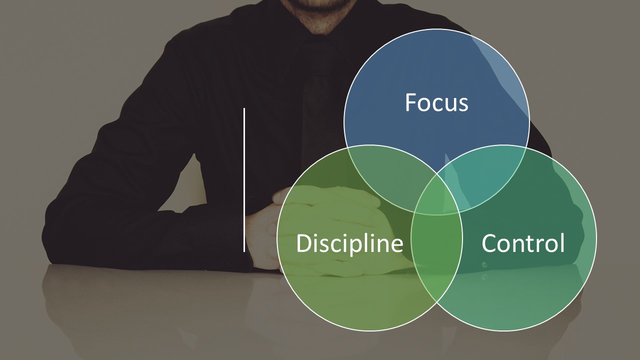
Focus – maintaining a clear focus on the stuff that matters; Discipline – is the ability to do something in “a controlled and habitual way” thereby resisting the temptation to be distracted from your path; Control – taking control of your environment and the situation to enable more productive outcomes
In the global best selling book “Scrum – The Art of Doing Twice the Work in Half the Time“, author Jeff Sutherland talks about the massive losses in productivity due to “context switching” (changing tasks or multi-tasking) indicating that working on 5 tasks at once means you will lose 75% of your effective time to context switching. This is despite the myths that surround individual abilities to do this. Maintaining your focus on the priority task at hand and completing it is one of the hallmarks of highly successful people. In Scrum, Jeff talks about improving team focus and productivity by asking 3 simple questions at a daily team huddle.
In the global best selling book “Scrum – The Art of Doing Twice the Work in Half the Time“, author Jeff Sutherland talks about the massive losses in productivity due to “context switching” (changing tasks or multi-tasking) indicating that working on 5 tasks at once means you will lose 75% of your effective time to context switching. This is despite the myths that surround individual abilities to do this. Maintaining your focus on the priority task at hand and completing it is one of the hallmarks of highly successful people. In Scrum, Jeff talks about improving team focus and productivity by asking 3 simple questions at a daily team huddle.
But, after reading the Scrum book and working with clients to begin applying its key principles, I started to postulate that “…if the 3 questions worked for teams why wouldn’t the same 3 questions work for individuals?”. I have since modified and started using the questions in my own business and with my business clients on a regular basis with outstanding results. In my model, I have a weekly, 10 minute accountability call with my coaching clients where I ask the critical questions…
So what are the 3 Questions?
Like all good things, the questions are simple yet powerful:
What did you do in the last week that has helped move you towards your goals?
What will you do this week to move you towards your goals?
Are there any barriers getting in the way of achieving your goals?
But how does asking those questions help?
The Questions are all about focus, discipline and control. I ask my clients to focus on the 1 or 2 key strategic tasks that they MUST get done in the next week to achieve their goals. I’m not interested in discussing all the the BAU things they have on – just the priority strategic actions.
Focus: To participate in the program, my clients complete a short online form with the Questions prior to our 10 minute call each Monday. The Questions focus them on the priority strategic actions and help them set the context for the week. The actions are related to their plans which are set in advance.
Discipline: having to “front up” for an accountability call encourages them to take the time to prepare and make the commitment to attend. I am currently running at 100% engagement for the last 12 weeks for all participants, so the evidence would suggest that its working.
Control: Discussing what we did last week (and comparing that to what we said we would do) and the barriers to implementation are important for taking control. Addressing the barriers is an important component of taking control. This is why I only ask for 1 or 2 strategic actions each week so that we don’t set ourselves up for failure.
Anecdotally, I have seen massive improvements in outcomes for many of my clients in a short period of time. They now seem to magically find time for important strategic actions and we are implementing them in rapid succession. The 3 Questions are making a real difference.
How do I make it happen in my business?
These are the 4 steps I’d recommend:
Build a Plan – Make sure you have a documented plan for at least the next 12 months and cascade this to clear 90 Day actions. How do you build the plan?
“Done with You” – Use our Business Accelerator Program to work with us to build your plan – more information
“DIY” – Access the free resources on this site especially the Business Diagnostics and the Annual Operating Plan process – more information
Ask the Questions – every week ask yourself the 3 Questions. Diarise a time to do this and have the discipline to make it happen. This could be questions you ask of your Partners or at a Team Meeting – just make sure you are disciplined to ask them of yourself. (POWER TIP: If you are really ambitious then ask yourself the questions each morning before you commence work!). If you lack the drive and/or discipline then talk to me about joining our program.
Measure your progress and celebrate the wins – Take the time to evaluate your progress and make sure you celebrate the small wins.
Rinse and Repeat – Every 90 Days revise the plan and cascade some new actions. Continue to ask the questions and implement!
Russell Cummings 25 August 2022
_______________
1For more on Quadrant 2 activities read Stephen Covey’s book “The 7 Habits of Highly Effective People” or watch this short video – https://www.youtube.com/watch?v=aG3ETWm9VUQ
In this article, we will explore four essential tips for achieving success in your business this year. By following these strategies, you can kickstart your year with a strong foundation and set yourself up for growth and accomplishment. Let’s dive into the details and get started!
1. Understand the Current Business Environment.
Gain a thorough understanding of your current business environment. This involves conducting an Environmental Scan, which examines your supply chain, industry channels, and clients. By identifying where your business stands in the industry and how it interacts with suppliers and customers, you can gain valuable insights into your position. Additionally, a PESTEL analysis (political, economic, social, technological, environmental, and legal) helps assess external factors that may impact your business. Understanding the present circumstances will enable you to make informed decisions for the future.
2. Get Clarity on Your Goals.
To move forward successfully, it’s crucial to have a clear vision of where you want your business to go. Invest time in this step and explore resources available to help you map out your vision. Consider the “Six Ps” model, which encompasses patrons (target customers), products and services, processes, promotional tools, people strategy, and profits. By envisioning each aspect and setting specific goals, you’ll establish a comprehensive roadmap towards success.
3. Build a Clear Plan.
Many businesses fail to create clear plans, which is why this step is so important. Begin by developing a vision, mission, and goals for the long term (10-year timeframe). From there, create a strategic plan for the next three to five years. Then, break it down into an annual operating plan. Finally, establish a 90-day plan that outlines actionable steps to move closer to your annual goals. Templates and resources are available to assist you in this planning process, ensuring you have a well-defined roadmap.
4. Make It Happen:
Implementation is key to achieving your goals. Find an accountability partner who can support and challenge you to stay on track. This person could be a colleague, business partner, or even your spouse. Regular accountability check-ins will help you stay focused and motivated. Additionally, improve your productivity and time management to free up time for strategic initiatives. By stepping away from day-to-day operations, you’ll have the space to work on the critical elements that drive your business forward.
To build success in your business, follow these four essential tips: understand the current business environment, gain clarity on your goals, build a clear plan, and take action to make it happen. Utilize the available resources, such as diagnostics and templates, to guide you through each step.
Remember, strategic planning and implementation are key to achieving long-term success. By investing time and effort into these strategies, you’ll be well-prepared to navigate the challenges and opportunities that lie ahead.
Start your journey towards a successful year in your business today!
As a business owner or manager in Australia, you’re likely aware of the pressing issue we face—the workforce crisis. This crisis is not a fleeting concern; it’s a persistent challenge rooted in structural demographic shifts. Today, we will delve into the core problems driving this crisis, its impact on businesses, and actionable steps you can take to mitigate its effects on your business.
In 2013, the Boston Consulting Group conducted a global study titled the “Global Workforce Crisis,” (refer to Figure 1) revealing a startling projection for many countries, including Australia. The research pointed to an impending shortage of skilled workers due to shifts in population demographics, a crisis estimated to manifest around 2020. The onset of the COVID-19 pandemic accelerated this reality, leaving businesses across Australia grappling with a severe shortage of skilled workers.
Figure 1. Boston Consulting Group Study
To comprehend the gravity of this crisis, let’s dissect Australia’s population by age in 2022. Figure 2 from the UN World Population Prospects 2022 shows that the distribution seems reasonable initially, with a decent number of people in the middle age range.
Figure 2. Australia’s Current Age Profile
However, the situation takes a bleak turn when we examine the population change between 2012 and 2022 (refer to Figure 3). A significant drop in the workforce is evident, particularly between ages 40 and 60, primarily attributed to the retirement of the baby boomer generation.
Figure 3. Change in population by age in Australia between 2012 and 2022
Compounding the problem is the mismatch in motivations and work values between generations. The newer workforce doesn’t share the same motivations as Baby Boomers and Gen X, exacerbating the struggle to find suitable replacements for retiring talent. Historically, Australia has relied on immigrant labor to bridge the gap. However, the pandemic disrupted this, leaving a gaping hole in the workforce.
Currently, Australia faces a historically low unemployment rate of three percent, making it exceedingly competitive to secure skilled workers. In Graph 3, estimates suggest a requirement for approximately 500,000 immigrant jobs to fill the workforce gaps, a demand unlikely to be met promptly. This crisis isn’t confined to Australia alone; New Zealand is also grappling with similar challenges, further intensifying competition for skilled workers.
Addressing the Crisis: Five Key Strategies
Align Your Workforce Plan with Business Strategy Gain a clear understanding of your business strategy and develop a workforce plan that synergises with it. It’s vital to focus on the types of talent necessary to execute your business strategy effectively.
Optimise Talent Attraction and Retention Devise strategies to attract and retain skilled workers in this competitive market. Tailor your approach to appeal to the motivations and values of the newer generations entering the workforce.
Leverage Outsourcing Effectively Implement a robust outsourcing strategy to delegate low-value and hard-to-fill tasks, ensuring optimal productivity and efficiency within your organisation.
Enhance Productivity through Technology and Lean Practices Embrace lean methodologies, agile techniques, and technology integration to boost productivity across your organisation. Leverage technologies, including AI and robotics, to optimise your systems and utilise your workforce efficiently.
Stay Adaptable and Future-Focused Continuously assess your business strategy and adapt to changing circumstances. Be open to exploring innovative approaches and leveraging emerging technologies to drive your business forward.
Embrace the Future with Confidence
As the global workforce crisis unfolds, it’s imperative to embrace proactive strategies to secure your business’s future. By aligning your workforce plan with your business strategy, optimising talent attraction and retention, leveraging outsourcing, enhancing productivity through technology, and staying adaptable, you can navigate this crisis successfully.
That’s where our Workforce Crisis Diagnostic can make a world of difference. Aligned with global best practices, it empowers you to take control of your workforce’s future. By evaluating and addressing these key factors, you can unlock the full potential of your business and build a resilient, engaged, and high-performing workforce.
Invest in your workforce, invest in your business, and invest in your success. Discover the power of our Workforce Crisis Diagnostic today.
For additional resources and personalised guidance in formulating your strategy to overcome the workforce crisis, visit Shifft.com.au. Together, let’s steer your business towards a brighter and more resilient future.
Feel free to reach out for a discussion on how to tailor these strategies to your unique business needs.
In this age of technological advancement, the role of Artificial Intelligence (AI) has been expanding across various industries. It has become a powerful tool for content creators and marketers, enabling them to streamline their processes and produce high-quality content efficiently. One of the key AI models at the forefront of content creation is ChatGPT, and in this article, we will explore how you can leverage this AI to craft exceptional content.
Understanding AI Prompts
Before diving into the AI content creation process, it’s essential to understand the concept of prompts. Prompts are the instructions you provide to the AI model, such as ChatGPT, to guide its content generation. Writing effective prompts is crucial as they directly impact the quality of the content produced. AI, especially ChatGPT, is conversational and context-aware, which means it retains information about the task you’ve assigned. This allows for more coherent and relevant content generation.
Crafting the Perfect AI Prompt
Creating a strong prompt is key to harnessing the full potential of AI for content creation. Now, I want to introduce this gentleman called Jeff Su who’s got a series of really good YouTube videos. He’s probably done one of the better summaries I’ve seen of the perfect prompt formula so I’m just going to actually step you through Jeff’s methodology here. But my suggestion is you go and watch his full video below, it’s really quite good.
Let’s break down the components of a perfect AI prompt:
Task: Start with a clear and action-oriented task. Use a verb to specify what you want the AI to do. For example, “Write a 500-word blog article on the topic of five major barriers to effective personal productivity.”
Context: Provide context to narrow down the possibilities. This includes information about the target audience, the purpose of the content, and any specific requirements.
Exemplar: Offering specific examples or models can help the AI better understand your expectations. For instance, you can instruct the AI to highlight global best practices, as we did in our prompt.
Persona: Define the perspective from which the content should be presented. In our example in the video, we specified that the content should be written as if you were a leading Australian business coach. By defining the persona you want, you’re not just instructing AI; you’re creating a collaborator that’s tailored to your specific needs, making the content creation process smoother and more enjoyable.
Format: Be clear about the format of the content. For a blog article, specify the word count, language preferences (e.g., UK English spelling), and the tone you want to convey (e.g., professional, concise, and friendly).
Tone: Communicate the feeling you want to evoke. For instance, let’s say you’re crafting an email to a new team and you want to strike the perfect balance between professionalism and approachability, without coming across as too stiff or awkward. Simply ask ChatGPT for a list of five tone keywords to include in your prompt, like “clear and concise,” “friendly,” and “confident.” By incorporating these tone keywords into your prompts, you’ll guide ChatGPT to produce content that hits all the right notes, ensuring it aligns perfectly with your intended tone.
Once you’ve crafted a comprehensive prompt, you can submit it to the AI model, such as ChatGPT, and it will generate content that aligns with your instructions.
Creating a Variety of Content Assets
The power of AI for content creation goes beyond just writing blog articles. With a well-structured prompt, you can leverage AI to produce a diverse range of marketing assets that support your primary content piece. Some of the assets you can generate include:
PowerPoint Slides: Use the content to create engaging presentation slides that can be used for webinars, workshops, or conference presentations.
Video Scripts: Develop scripts for videos that elaborate on the blog article, making it more accessible to visual learners.
YouTube Descriptions: Craft descriptions for YouTube videos, enhancing their searchability and user engagement.
Lead Magnets: Create valuable lead magnets, such as checklists or ebooks, to entice users to subscribe or engage further with your content.
Resource Lists: Compile lists of relevant resources, websites, or tools that support the blog’s topic, providing additional value to your audience.
Social Media Posts: Generate social media posts that promote your content, emphasising different aspects of the topic to capture a wider audience.
Automation and Efficiency
The beauty of AI content creation is its ability to automate many time-consuming tasks. By harnessing AI, you can significantly reduce the time and effort required to produce a wide array of content assets. This allows you to focus on refining and customising the content to align with your brand’s voice and objectives.
In conclusion, AI, and specifically ChatGPT, offers content creators and marketers a powerful tool to supercharge their content creation process and crafting the perfect AI prompt is the key to harnessing the creative power of artificial intelligence. Download our AI Prompt Checklist now and start creating amazing content with ease.
This checklist is your guide to creating well-structured prompts that yield exceptional results. Whether you’re a content creator, marketer, or business owner, this checklist will help you streamline the content generation process and enhance your creative capabilities. Happy content creation!
You go from thoughts to words to actions, and that’s a quote from today’s guest, Russell Cummings. And as an entrepreneur, you might aspire to conquer the world and spread your wings across oceans. But having the right foundations and tracking and predicting trends could mean the difference between succeeding or having to start again. This topic is what we explore in today’s episode of the Bx Podcast with an expert, business coach, and management consultant.