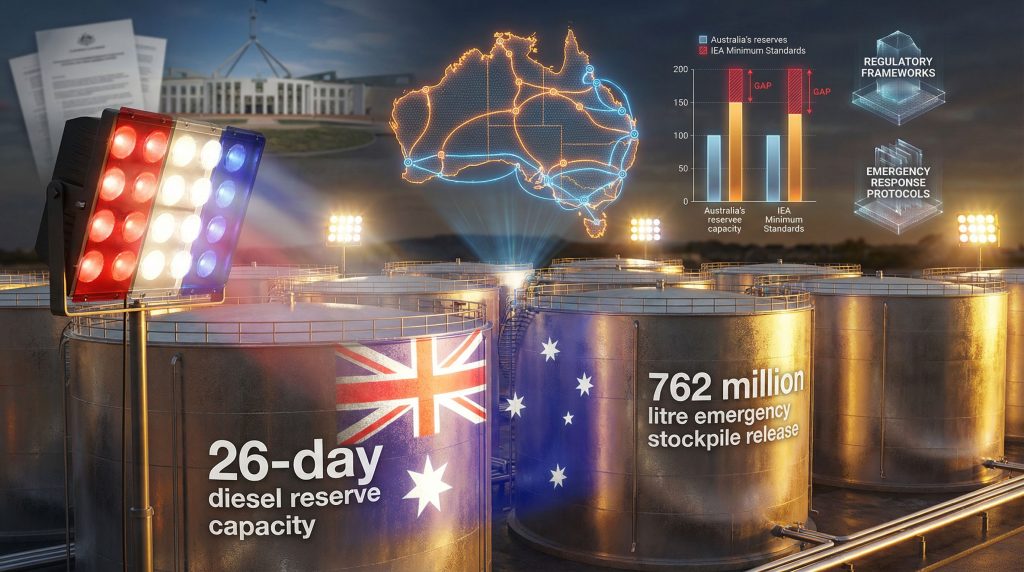
Most leaders still think the fuel issue is coming.
It’s not.
It’s already moving through your costs, your supply chain and your margins. Quietly.
The problem isn’t whether it will affect your business.
It’s that most businesses are not set up to respond fast enough.
This Isn’t a Fuel Problem
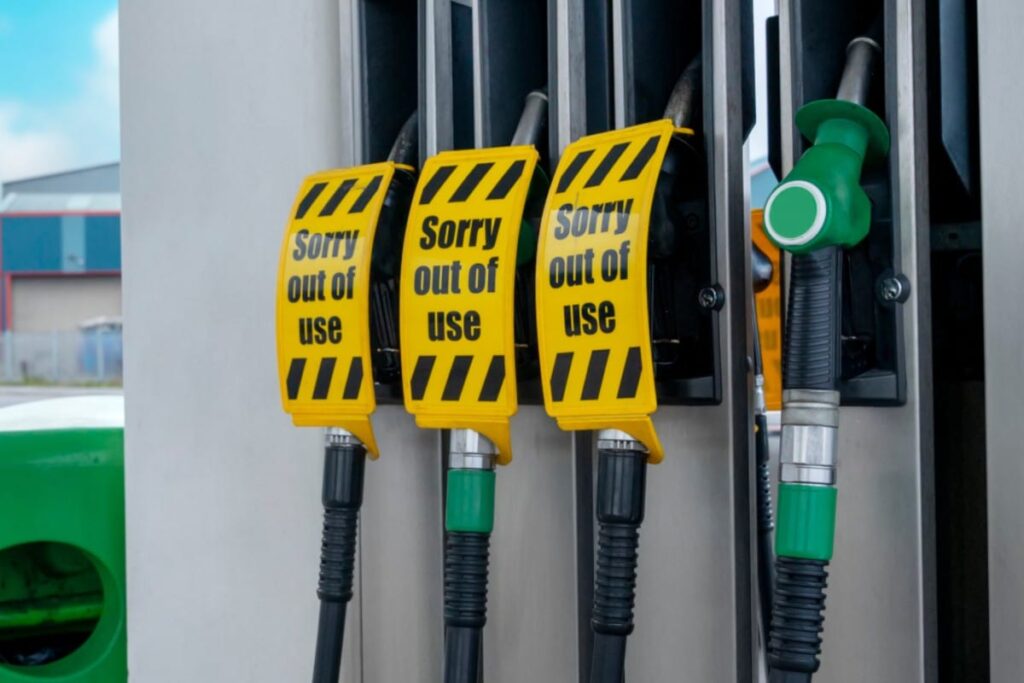 Very few businesses see themselves as fuel-dependent.
But look closer:
- Freight costs are creeping up
- Suppliers are adjusting pricing and credit terms
- Delivery reliability is shifting
- Margins are tightening without a single obvious cause
Fuel sits underneath all of it.
You may not track it directly – but it’s already affecting your numbers.
The Real Risk: Slow Response
Most businesses won’t struggle because of fuel disruption itself.
They’ll struggle because they react too slowly.
What we typically see:
- delayed decisions while waiting for “clarity”
- disconnected conversations across teams
- pricing, cost and supply decisions made in isolation
This creates drift.
Costs rise. Margins fall. Decisions come late.
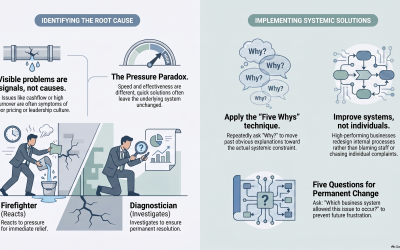
You don’t have a fuel problem. You have a response problem.
The Visibility Gap
You can’t respond quickly if you can’t see clearly.
Ask yourself:
- Do you know how rising costs are impacting margin right now?
- Can your leadership team explain the same version of what’s happening?
- Are you tracking a small number of meaningful indicators?
- Do you have a clear plans based on a range of likely scenarios?
If not, you’re already behind.
Most businesses are operating with partial information — and it slows everything down.
Why Waiting Costs You
There’s a natural instinct to wait as we don’t want to make “rush” decisions.
But delay compounds the problem:
- margin erosion builds over time
- pricing becomes harder to adjust
- competitors who act early move ahead
The businesses that navigate this well don’t predict better.
They decide faster.
What Better-Run Businesses Do Differently
The difference is not intelligence or information.
It’s structure.
Businesses handling this well:
- treat fuel impact as a core commercial issue
- focus on a handful of key metrics (cost, margin, supply, cash)
- align leadership quickly
- make decisions in a consistent rhythm
Not more meetings.
Better cadence.
A Simple Reality Check
If cost increases are happening across your business right now:
- and you don’t have a clear, shared view of the impact
- and decisions are happening inconsistently
- and pricing conversations feel reactive
You are already in response mode.
The question is whether you tighten it – or let it drift
The Shifft That Matters
Stop monitoring disruption.
Start managing it.
That means:
- more accurate, timely informative
- faster visibility
- tighter alignment
- shorter decision cycles
- a tight cadence
Because in uncertain conditions, speed beats certainty.
Final Thought
Fuel disruption will affect your business.
That part is fixed.
What isn’t fixed is how well you respond.
The businesses that come through this strongest won’t be the ones with the best forecasts.
They’ll be the ones with the best decision rhythm.
If You Want to Get Ahead of This
If you’re already seeing pressure on costs, margins or supply – now is the time to act.
We’re running a practical webinar on Friday April 10th, 2026 at 12 noon AEST on how to:
- create clear visibility
- align your leadership team
- build a simple operating rhythm for the next 30 days
If you have a larger team/business and would like a more structured process, Russ is available to deliver a workshop to build clear plans and set up cadences for review, planning and action.
Book a 20-minute Strategy Call with Russ – https://calendly.com/russellcummings/20-minute-strategy-call-with-russ
Because the goal is isn’t to predict what happens next.
It’s to be ready for it.